
Architecture
Nativa Eco-Hotel
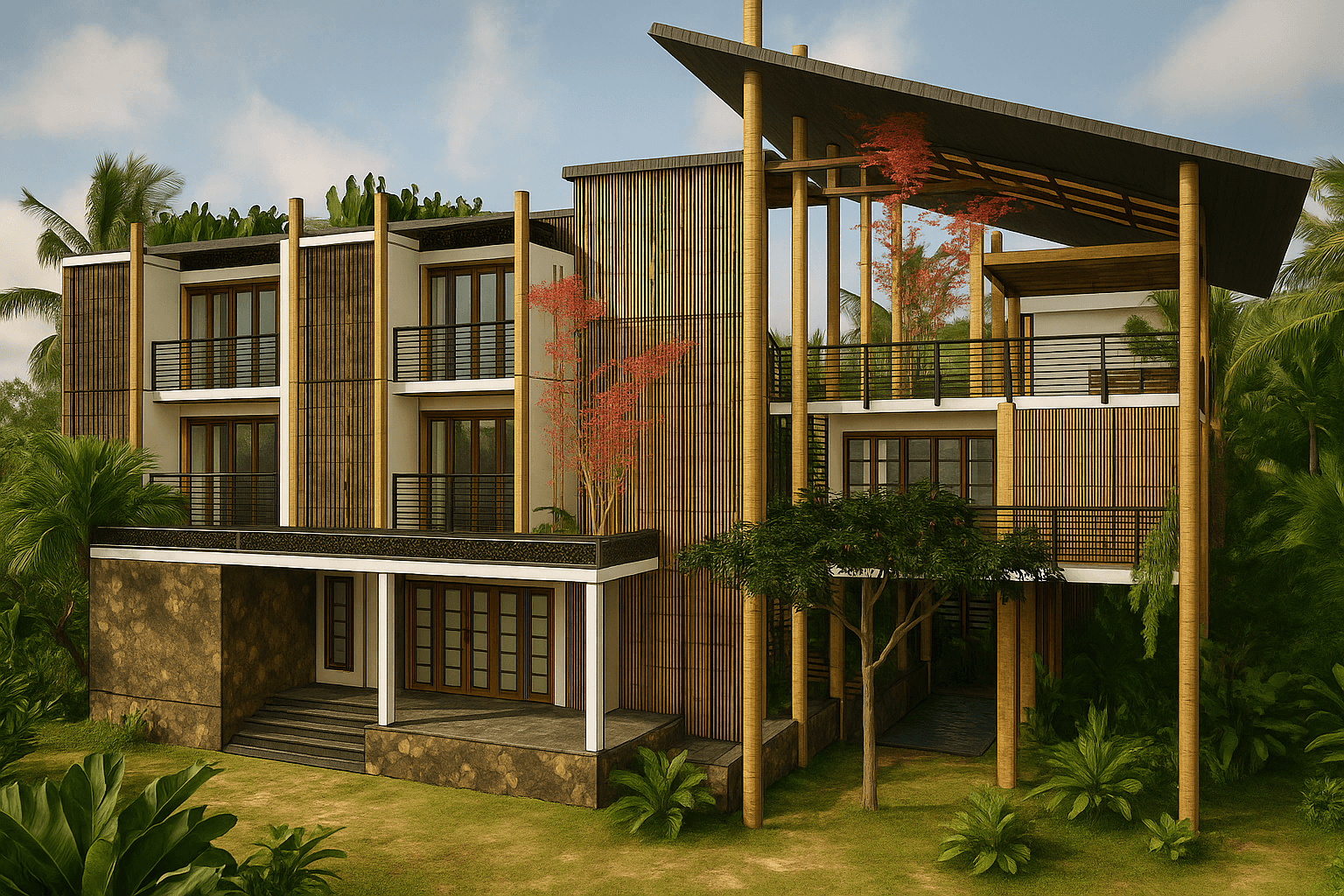
The eco-hotel emerges from a deep understanding of the island environment and a desire to integrate harmoniously with its ecosystem. In response to the competition requirement of preserving the existing ground-floor structure intact, the new intervention is introduced with subtlety, avoiding massive volumes that would compete with the scale of the surrounding buildings.
Status
Ideation
Year
2025
Location
Santa Cruz, Galápagos
Area
500m2
Client
Contest | Ido arch
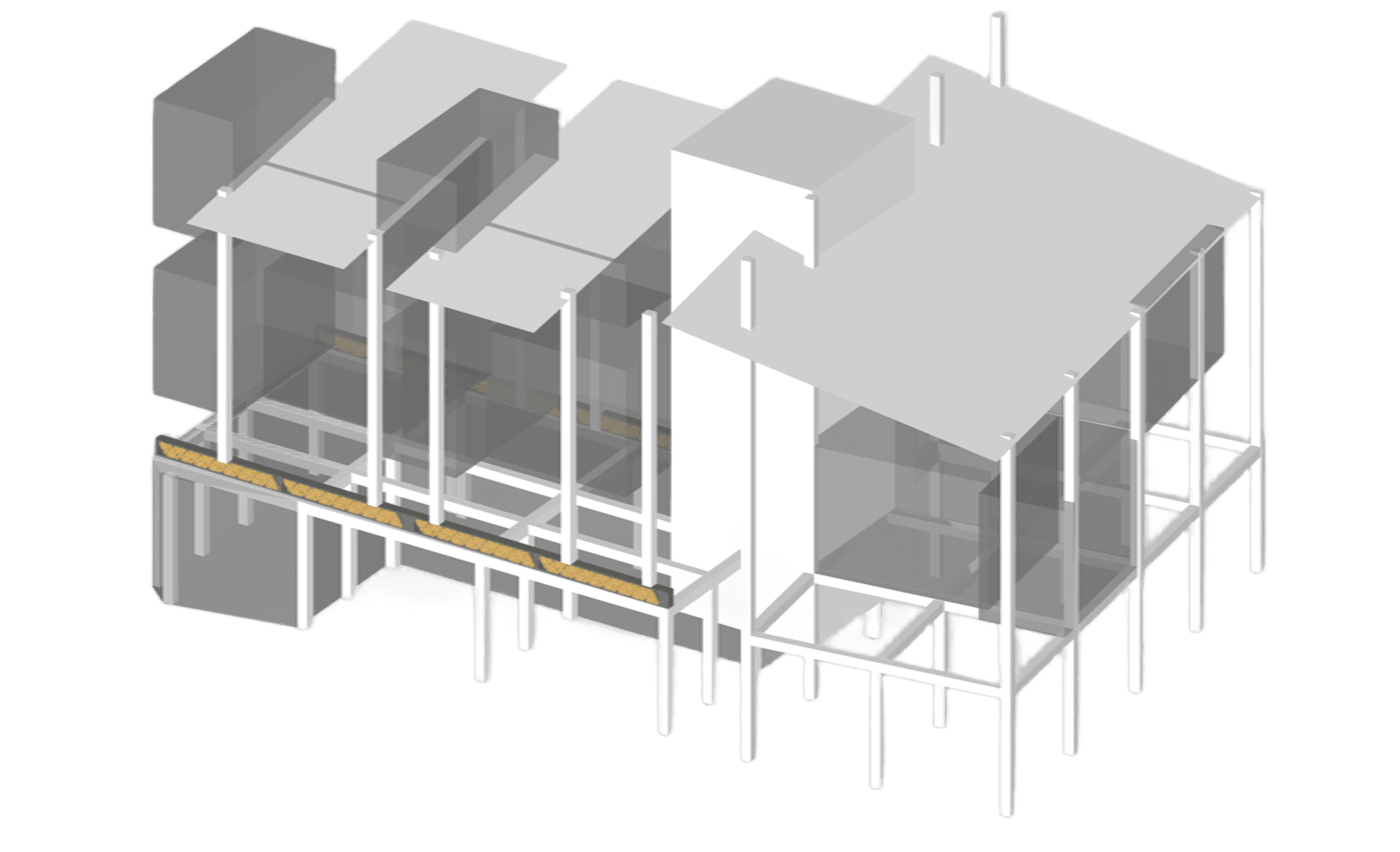
Rather than imposing a boundary between interior and exterior, the architecture embraces the concept of permeability. The spatial design allows light, breeze, and the surrounding landscape to flow freely through the building. The complex does not act as a barrier; instead, it adapts, filters, and visually dissolves into the natural environment.
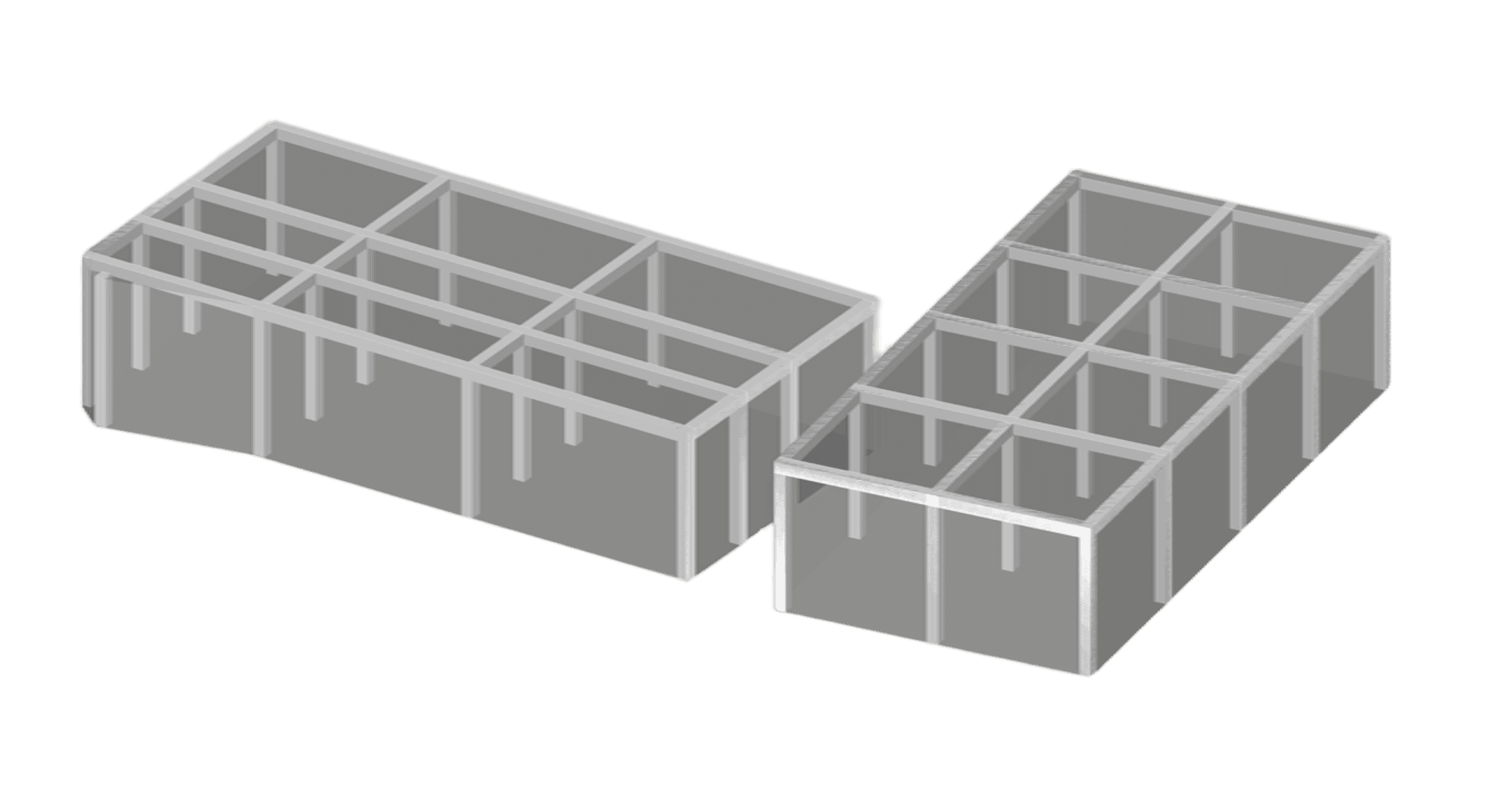
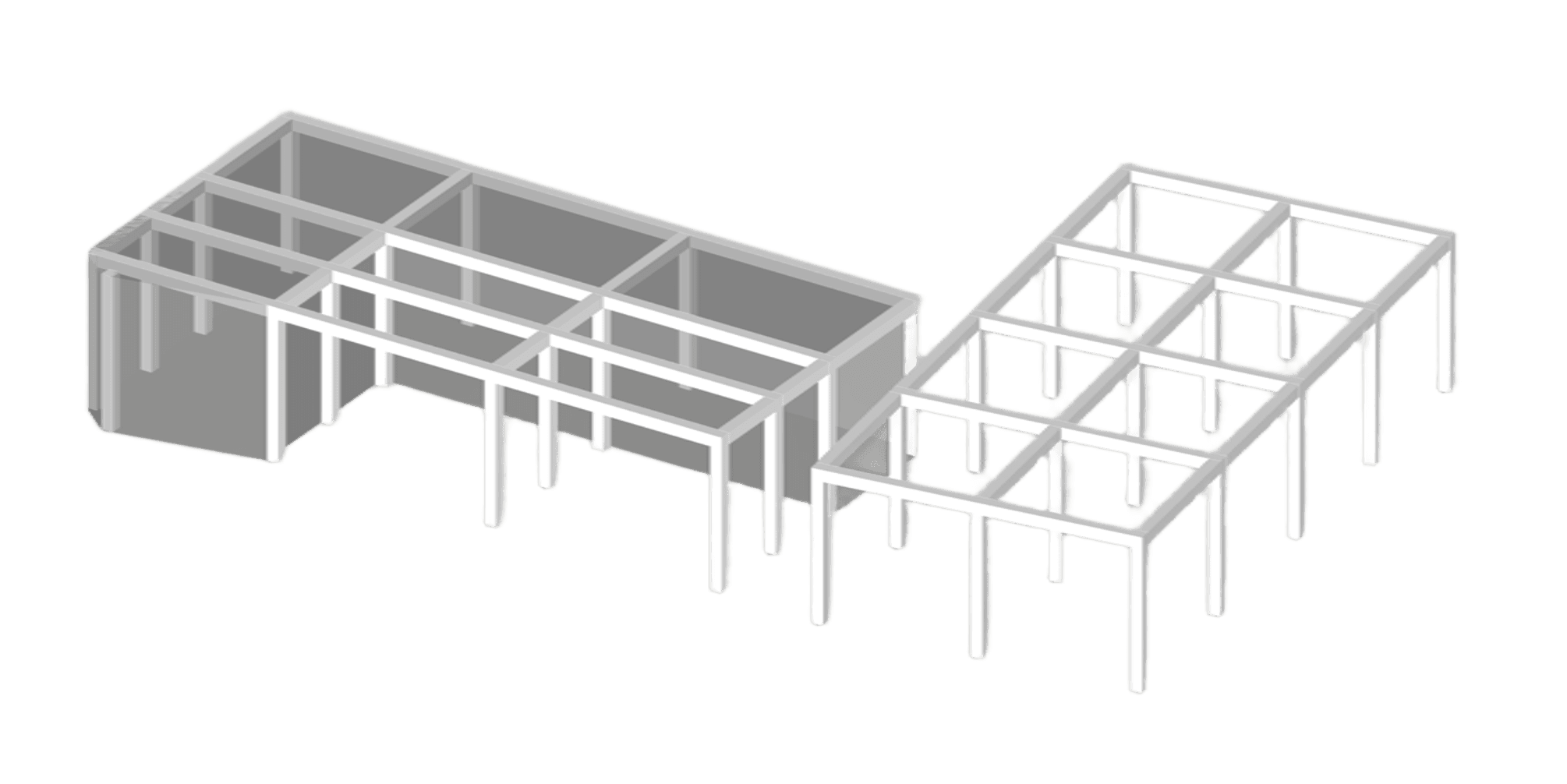
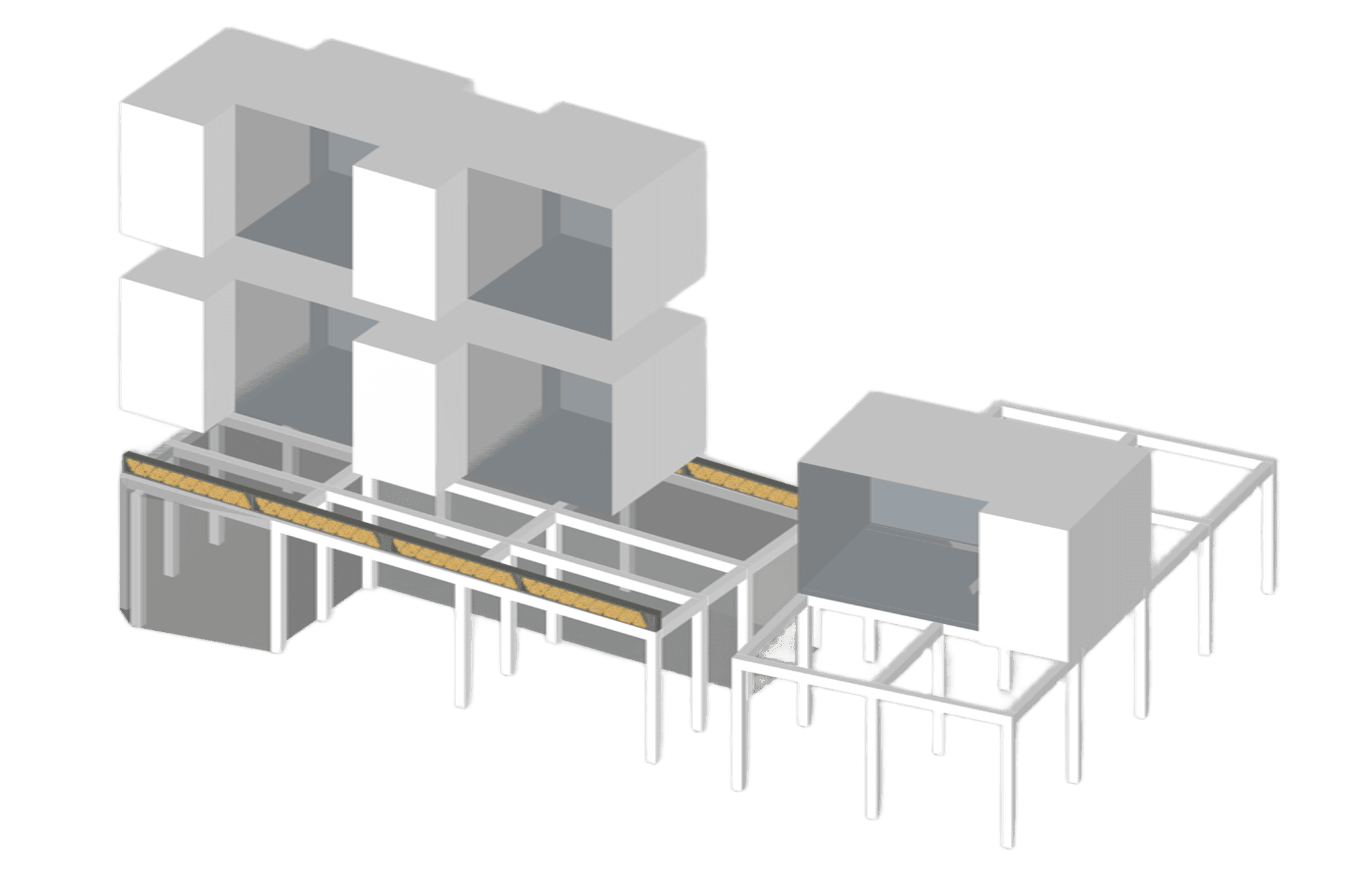
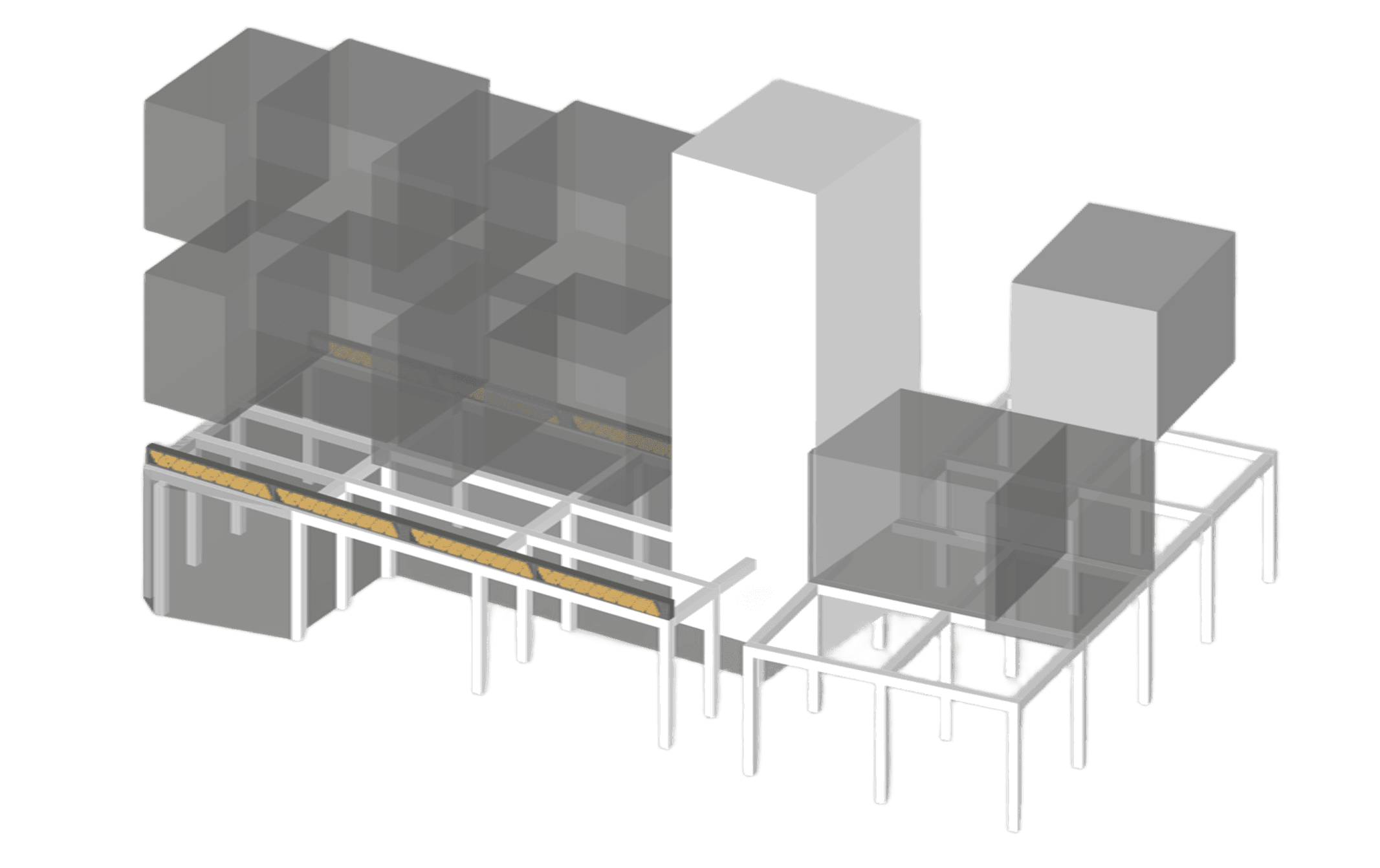
Building upon the preservation of the original ground-floor structure, the intervention unfolds through a strategy centered on standardization, spatial fluidity, and thermal comfort. The new accommodation units are integrated into the complex as modular, standardized, and demountable structures. This dry-construction approach not only minimizes environmental impact and optimizes construction timelines, but also ensures a high degree of functional flexibility. The central circulation block is conceived as a fully permeable architectural element, functioning as a cross-ventilation channel that enables uninterrupted airflow throughout the rest of the spaces. On the lateral side of the lower level, the intervention removes the enclosures and preserves only the original structural skeleton, opening up the space and transforming it into a large open threshold that reinforces the overall connectivity of the complex. Above this permeable structure, the open common areas are arranged as elevated platforms designed to benefit from the constant ocean breeze, reducing the thermal load on the facilities while strengthening the project’s commitment to energy efficiency and passive design principles.
